
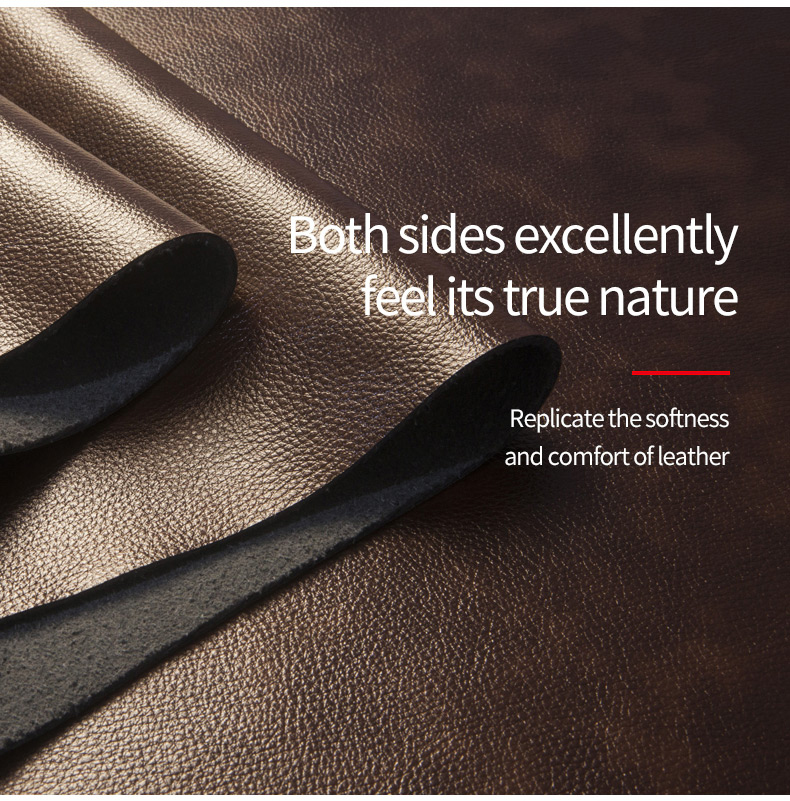
Many buyers worry that defects in artificial leather will cause waste, returns, and production delays.
We remove every defect before shipping, because clean and stable material helps our customers avoid loss and build stronger products.
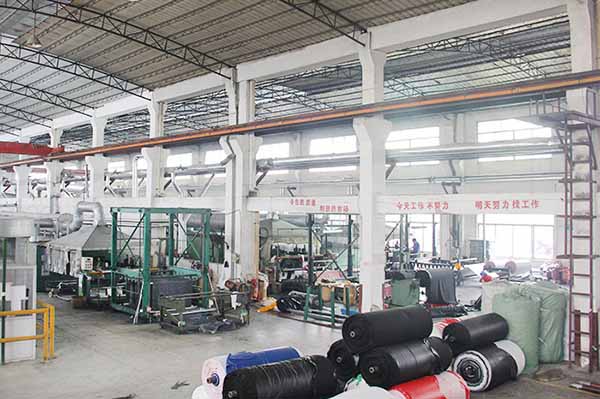
I follow every project closely because each roll must meet our quality promise after more than ten years in microfiber and PU leather manufacturing.
Why We Cut 100% of Defective Artificial Leather: Our Zero-Compromise Quality Control Philosophy?
Most factories allow small defects to pass, but even tiny issues can spread during processing.
We cut every defect because zero-compromise quality protects our customers’ production lines from risk and waste.
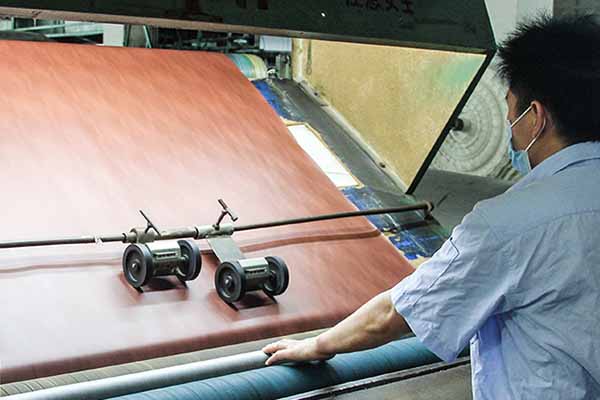
When we produce MICROFIBER LEATHER, PU LEATHER, or PVC LEATHER, we know that each material goes into products that must look clean. It may be a MICROFIBER LEATHER for car seats, PU LEATHER for bags, or PVC LEATHER for furniture. No customer wants to see scratches, bubbles, wrinkles, or coating spots. That is why our team checks every meter and cuts out defects on the spot.
I have seen many customers who switched to us after receiving materials with defects from other suppliers. Some had to stop production because one defect ruined an entire batch of shoes or seat covers. This is why we promise that every roll we ship goes through strict inspection and defect removal.
To keep this standard, we train every worker to identify even the smallest issue. We never try to hide or patch defects. We simply cut them away.
Here is our simple philosophy:
| Principle | What It Means | Why It Matters |
|---|---|---|
| Zero tolerance | Cut all defects | Protect production stability |
| Full transparency | Show customers actual results | Build long-term trust |
| Strict inspection | Check every meter | Deliver premium quality |
| No shortcuts | Never reuse removed parts | Ensure durability |
Inside Our Production Line: How We Identify and Remove Every Defect in PU, PVC, and Microfiber Leather?
Many buyers wonder how we manage to keep rolls so clean even with large daily output.
We catch defects early, cut them out immediately, and keep the remaining roll perfect for customer use.
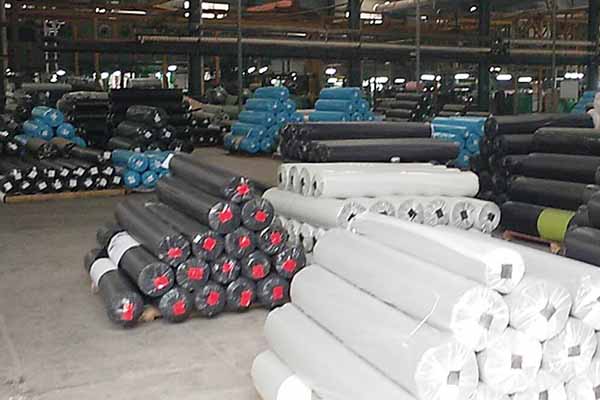
Inside the factory, each roll passes through several inspection stages. We test PU LEATHER for bags, MICROFIBER LEATHER for shoes, PVC LEATHER for car seats, and even silicone leather under the same standard. The goal is always the same: stable surface, clean coating, and long-term durability.
The first inspection happens during coating. We check for bubbles, uneven color, or holes. If anything looks wrong, we adjust the machine right away. After embossing, we check grain depth, uniformity, and softness. For MICROFIBER LEATHER for car seats, the grain must stay stable because automotive materials need clean and consistent texture.
During rewinding, we examine the roll again under strong lights. This is where we find small scratches or tiny coating dots. Workers mark them, cut them out, and join the roll with clean edges. I always remind customers that this cutting step is not a flaw—it is our quality guarantee.
Below is a breakdown of how we remove defects:
| Step | What We Check | Action Taken |
|---|---|---|
| Coating stage | Color, bubbles, surface flatness | Adjust machine or stop production |
| Embossing stage | Grain uniformity | Re-emboss or reject defect |
| Rewinding inspection | Scratches, dots, wrinkles | Cut defects out |
| Final packaging | Clean edges and length | Pack only flawless rolls |
How Strict Defect Removal Improves Material Consistency, Durability, and Customer Satisfaction?
Some clients think defect removal slows production, but it actually brings long-term benefits.
Strict removal gives better consistency, stronger durability, and fewer complaints after customers start production.
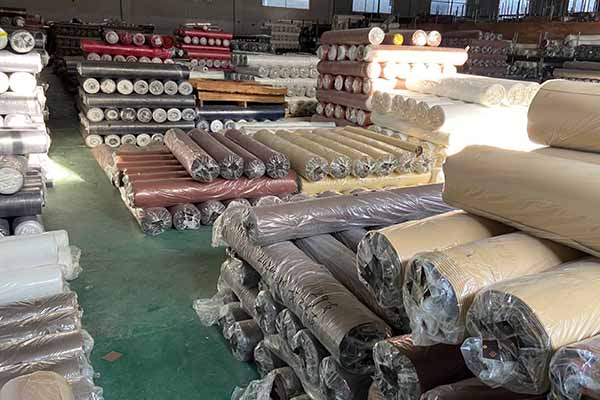
When material surfaces stay clean, machines run faster. Workers at the customer’s factory do not need to stop and avoid bad areas. This increases output and reduces labor cost. MICROFIBER LEATHER for furniture stays smooth, PU LEATHER for shoes cuts better, and PVC LEATHER for bags keeps its shape.
Durability also increases because defects often become weak points in long-term use. For example, a tiny coating crack can grow into a bigger tear after bending. By removing every defect early, we prevent these problems.
We also see higher customer satisfaction. Buyers feel safe because they know what they receive will not cause trouble. This trust helps build long-term cooperation and allows us to provide more cost-effective materials, including solvent-free leather and eco-friendly options.
Below is how strict defect removal helps customers:
| Benefit | Impact on Customer |
|---|---|
| Higher consistency | Easier cutting and sewing |
| Better durability | Fewer failures after production |
| Lower waste | More usable material per roll |
| Higher satisfaction | Stronger long-term cooperation |
| Faster production | Less downtime and fewer mistakes |
Conclusion
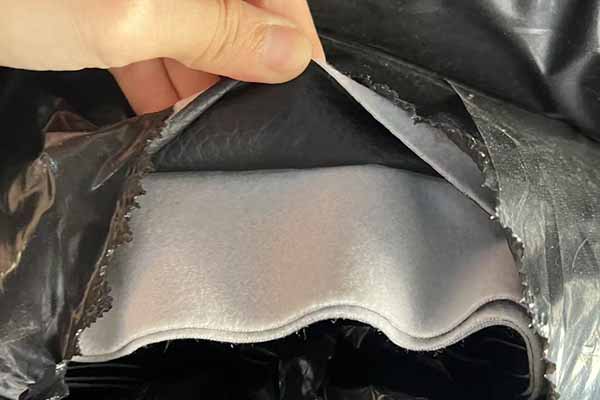
We cut every defect and keep every roll clean so our customers receive stable, reliable, and premium artificial leather.